SALE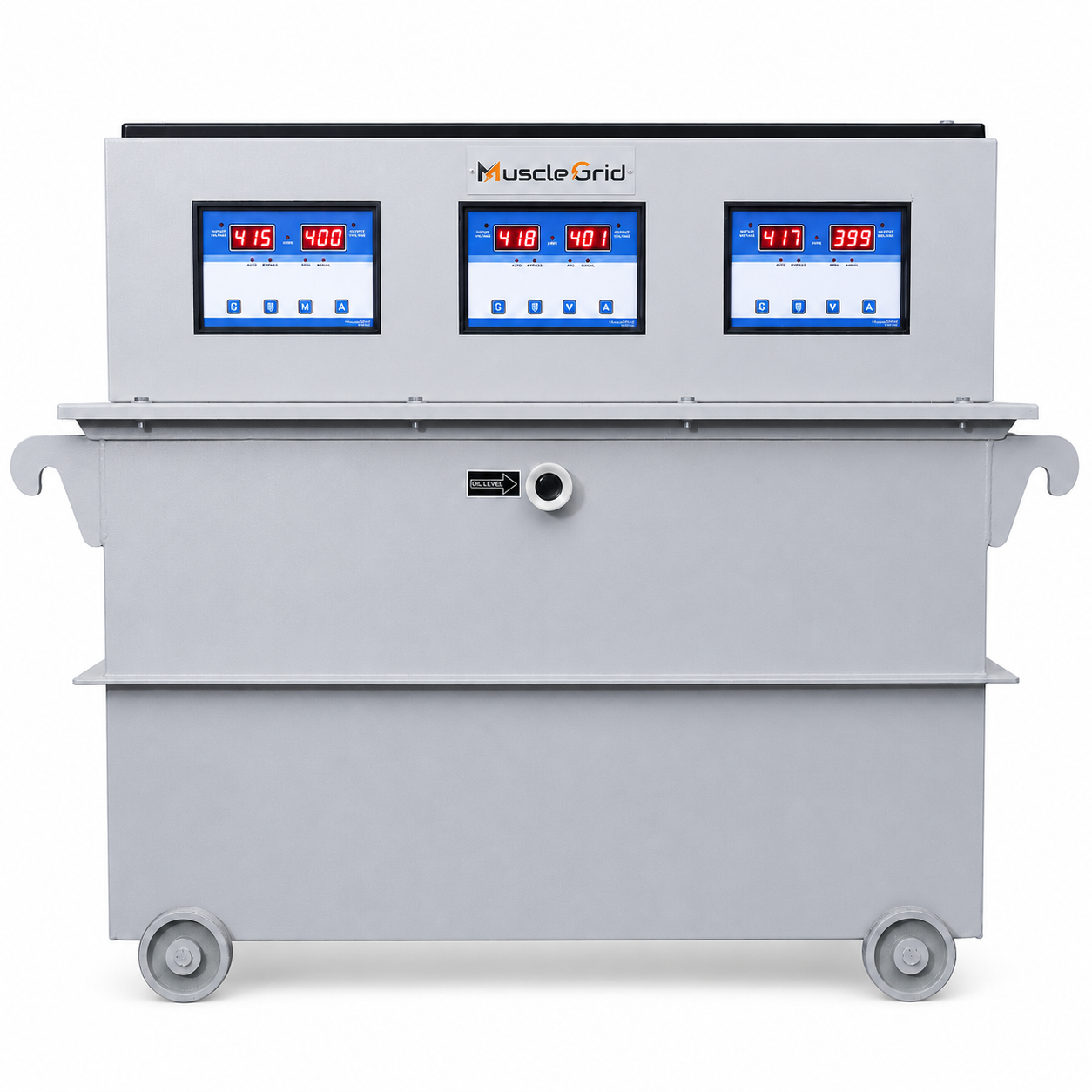
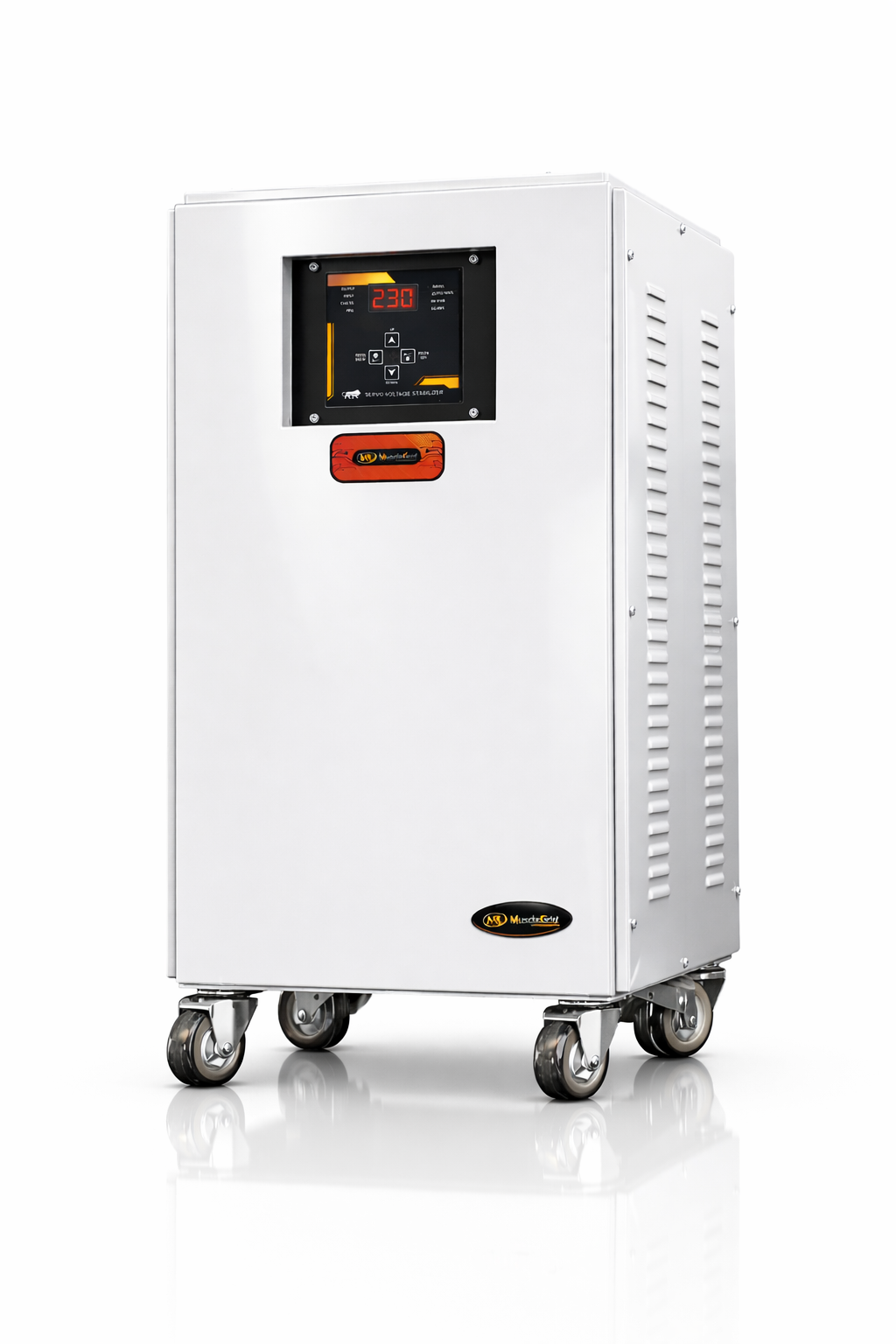


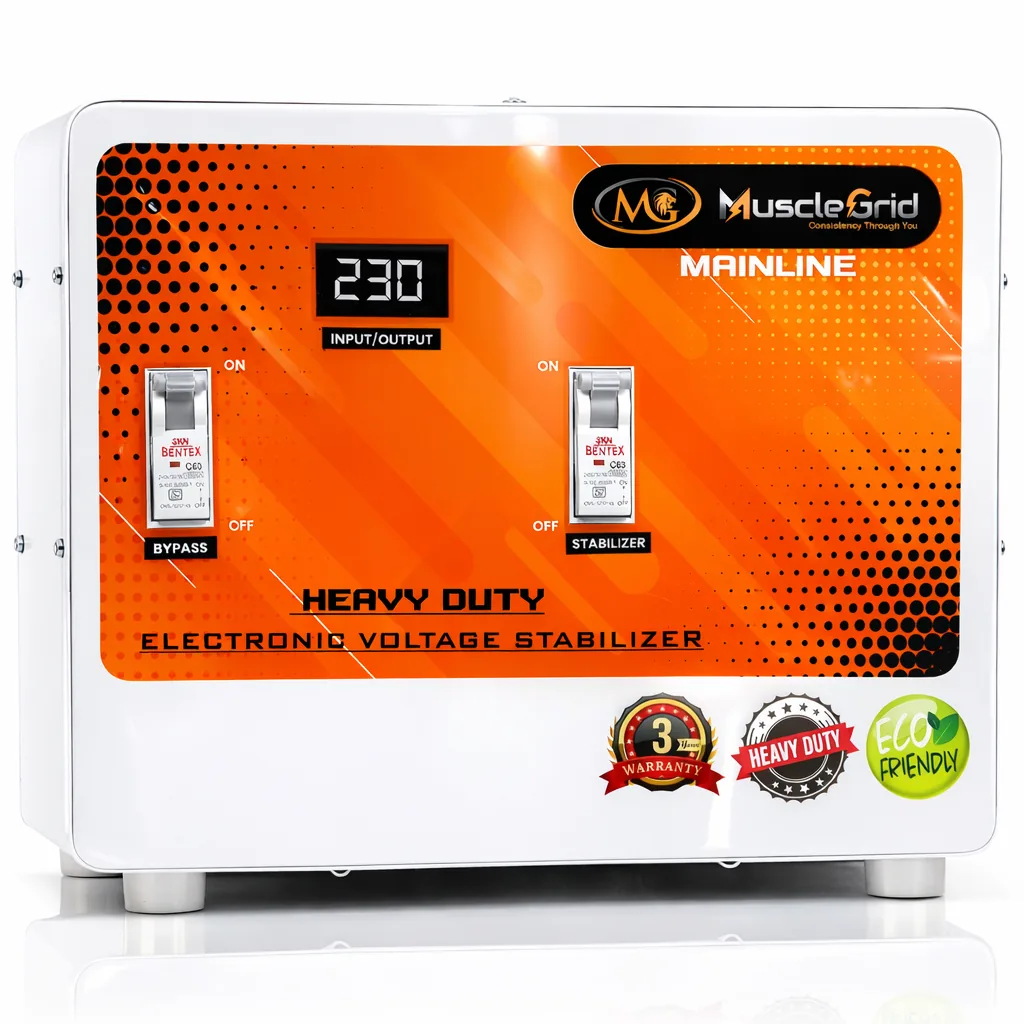
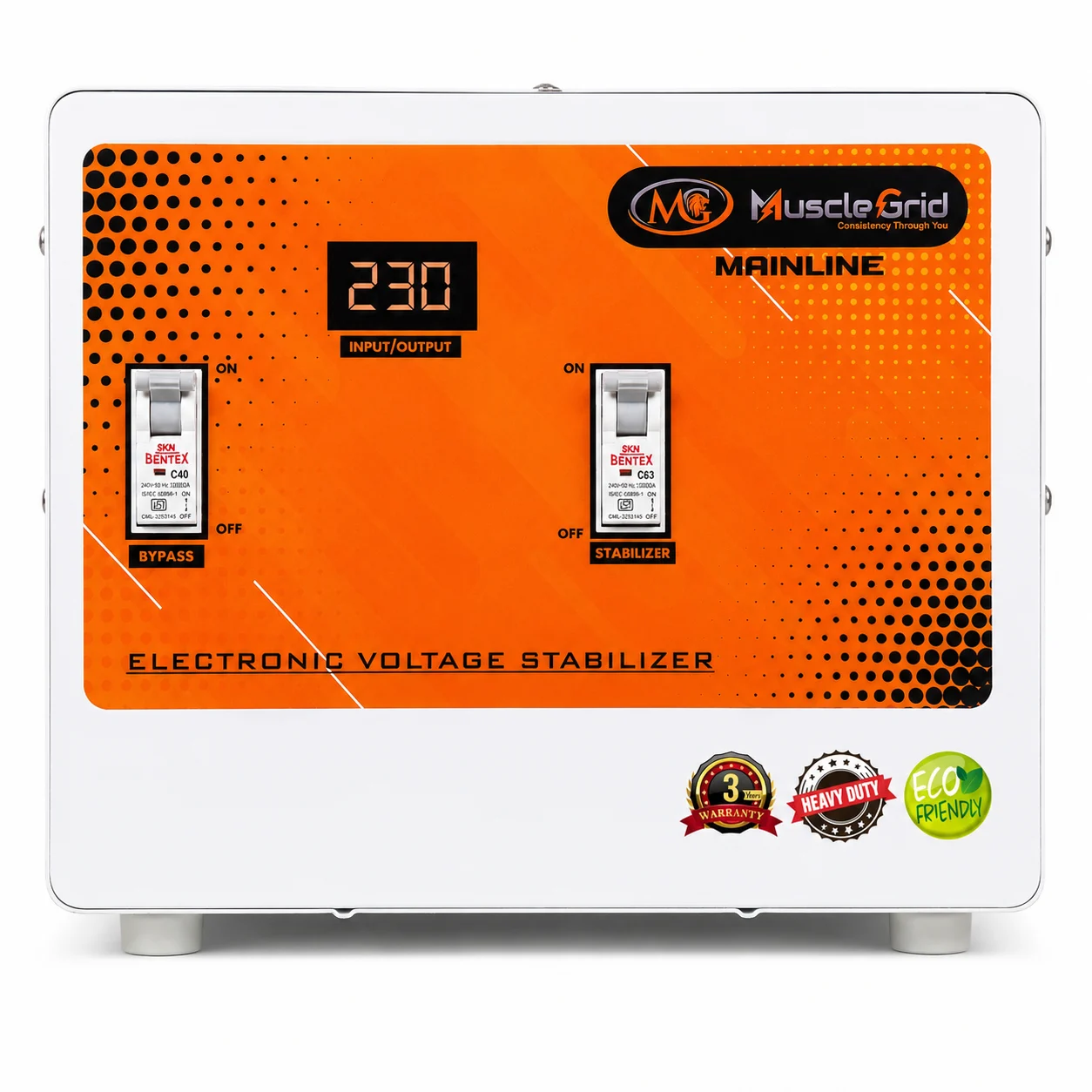
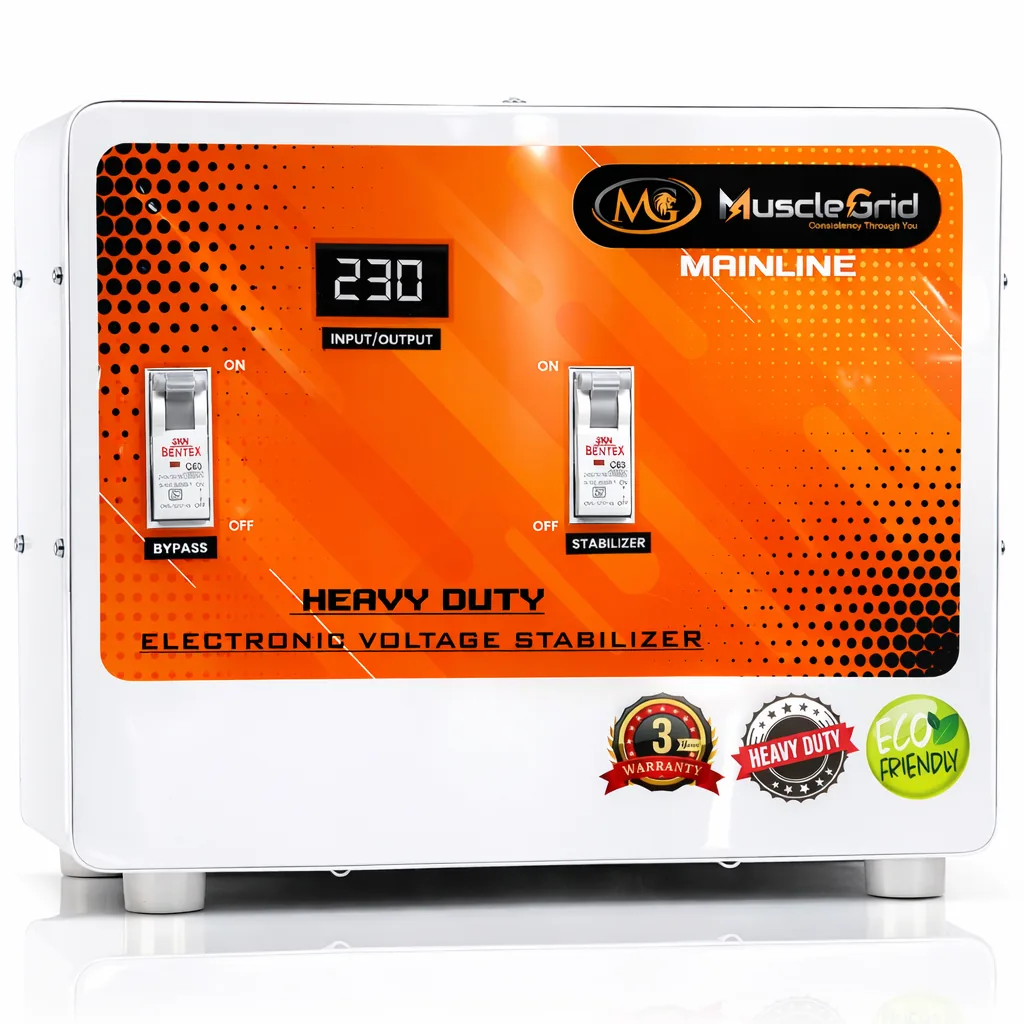
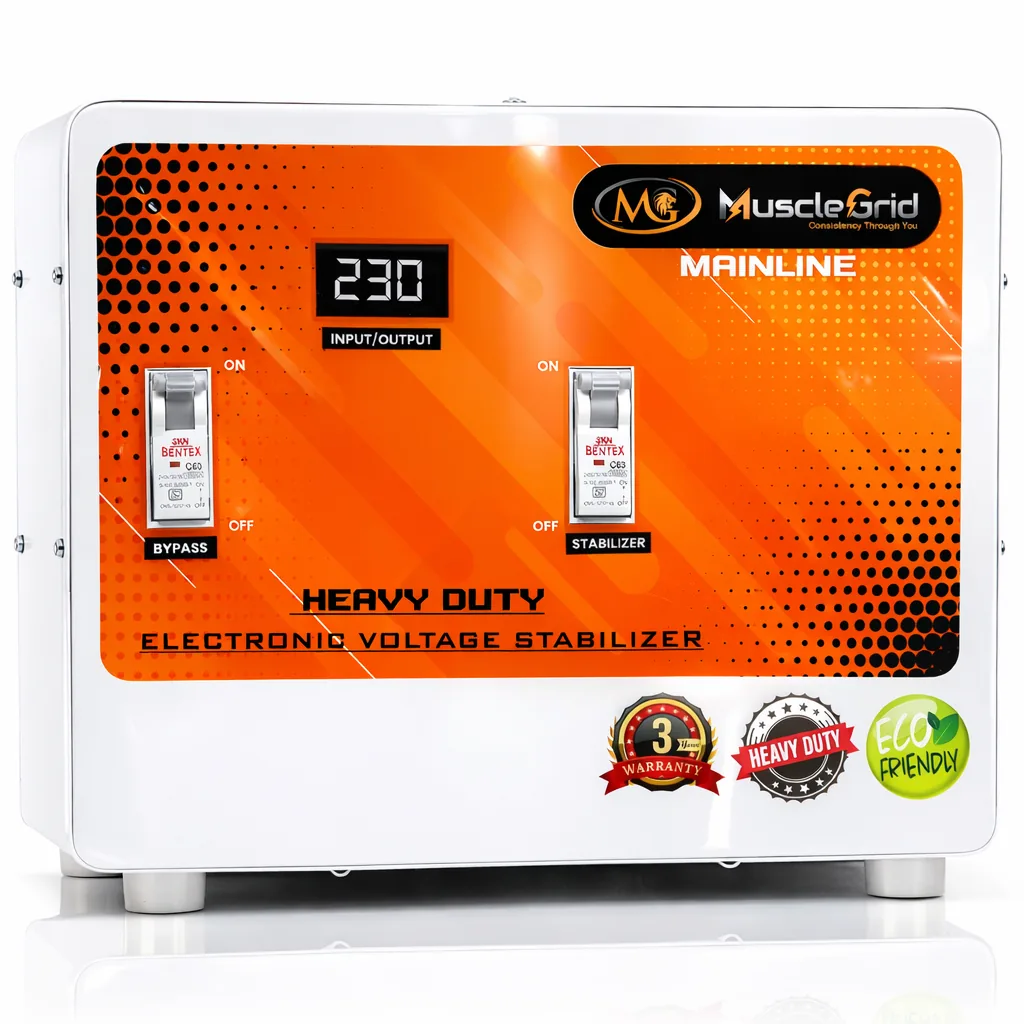


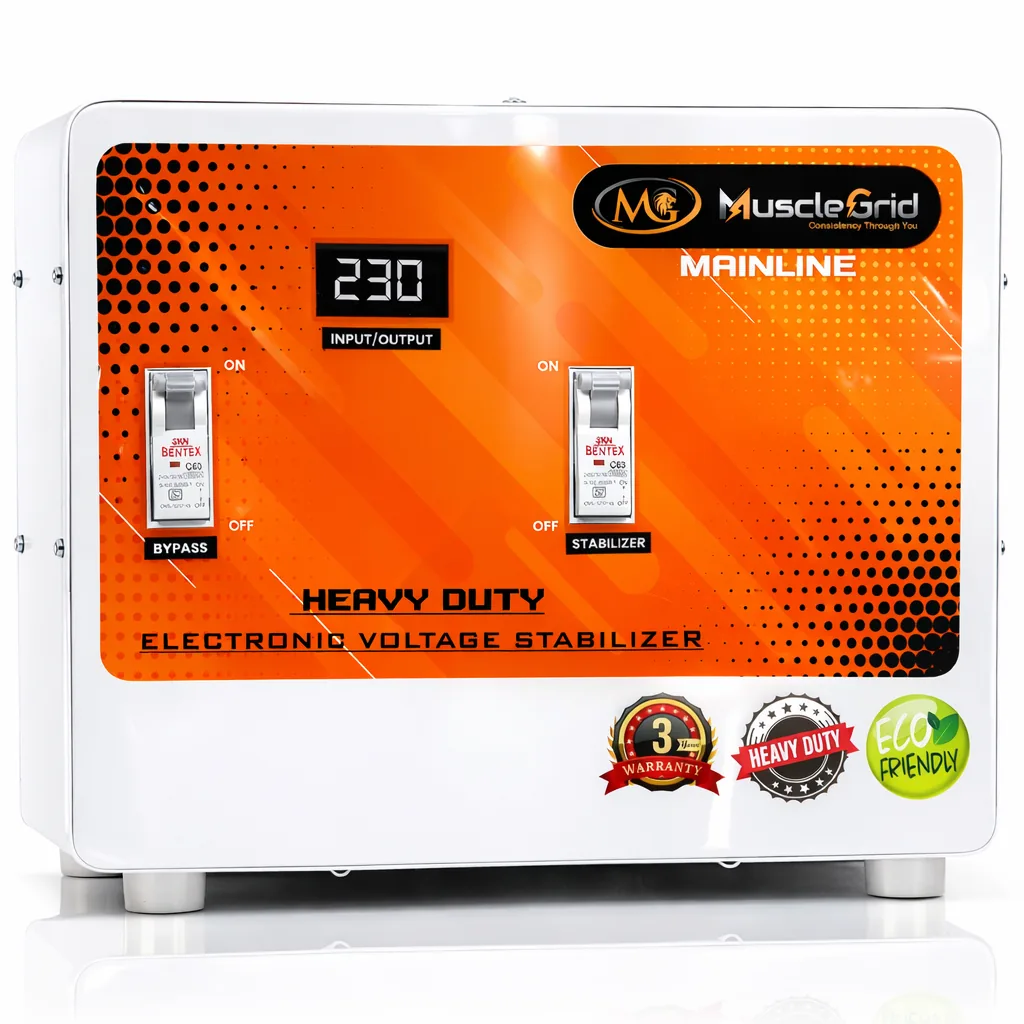

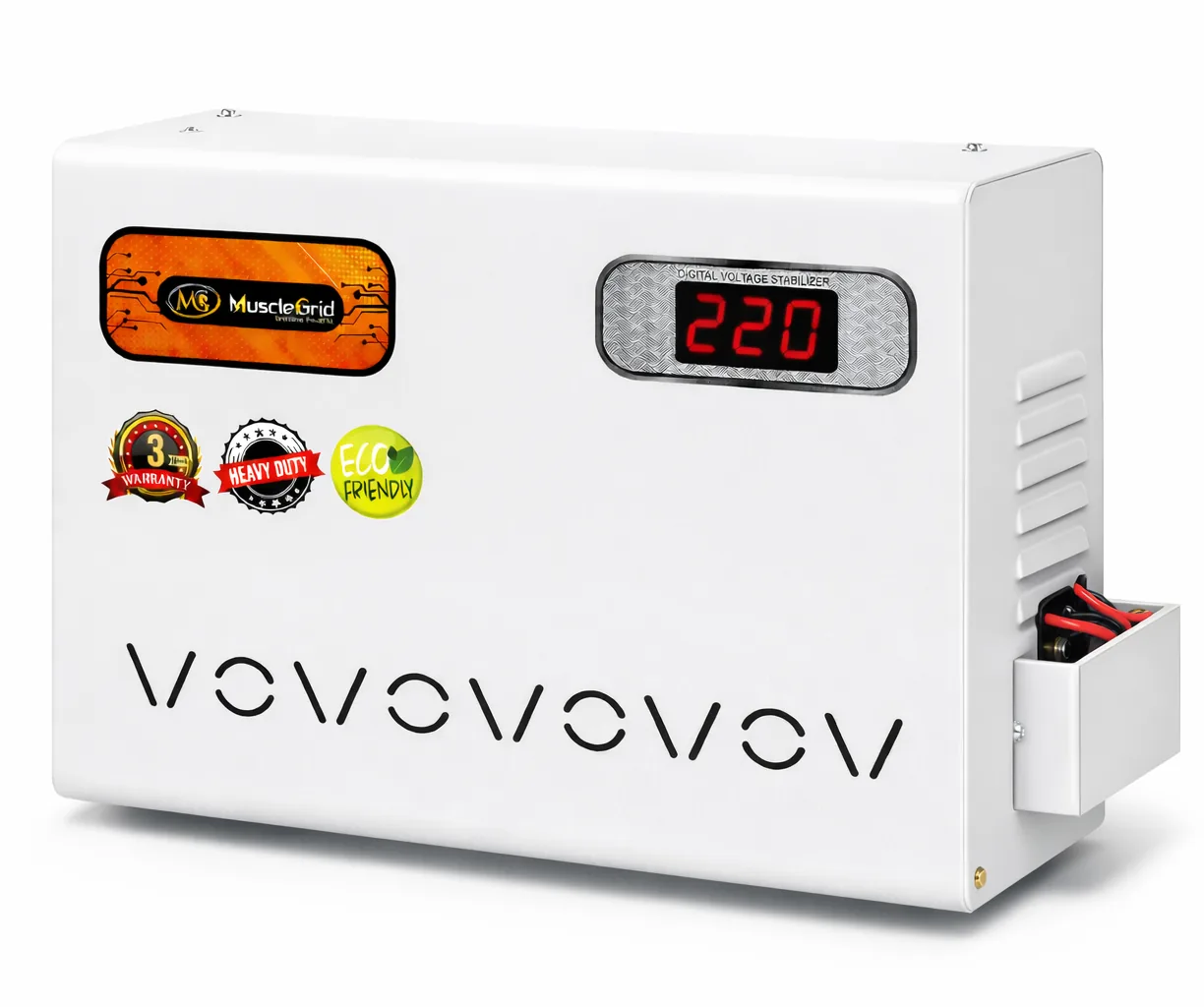


StabilizerMuscleGrid 30 kVA Three Phase Servo Voltage Stabilizer | 100% Copper Wound | 240V-470V Input | Oil Cooled | 400V ±1% Output
SALE₹190,500₹476,000-60%
View product →StabilizerMuscleGrid 30 kVA Three Phase Servo Voltage Stabilizer | Oil Cooled | 240V-470V Input | 400V ±1% Output
SALE₹154,398₹385,995-60%
View product →StabilizerMuscleGrid 30 kVA Single Phase Servo Voltage Stabilizer | 100% Copper Wound | 140V-270V Input | Oil Cooled | 230V ±1% Output
SALE₹149,500₹374,000-60%
View product →StabilizerMuscleGrid 25 kVA Three Phase Servo Voltage Stabilizer | 100% Copper Wound | 240V-470V Input | Oil Cooled | 400V ±1% Output
SALE₹143,000₹358,000-60%
View product →StabilizerMuscleGrid 20 kVA Three Phase Servo Voltage Stabilizer | 100% Copper Wound | 240V-470V Input | Oil Cooled | 400V ±1% Output
SALE₹131,500₹329,000-60%
View product →StabilizerMuscleGrid 30 kVA Single Phase Servo Voltage Stabilizer | Oil Cooled | 140V-270V Input | 230V ±1% Output
SALE₹121,801₹304,502-60%
View product →StabilizerMuscleGrid 30 kVA Single Phase Servo Voltage Stabilizer | 100% Copper Wound | 170V-270V Input | Air Cooled | 230V ±1% Output
SALE₹118,000₹295,000-60%
View product →StabilizerMuscleGrid 25 kVA Single Phase Servo Voltage Stabilizer | 100% Copper Wound | 140V-270V Input | Oil Cooled | 230V ±1% Output
SALE₹118,000₹295,000-60%
View product →StabilizerMuscleGrid 25 kVA Three Phase Servo Voltage Stabilizer | Oil Cooled | 240V-470V Input | 400V ±1% Output
SALE₹117,850₹294,625-60%
View product →StabilizerMuscleGrid 20 kVA Three Phase Servo Voltage Stabilizer | Oil Cooled | 240V-470V Input | 400V ±1% Output
SALE₹107,239₹268,098-60%
View product →StabilizerMuscleGrid 25 kVA Single Phase Servo Voltage Stabilizer | 100% Copper Wound | 170V-270V Input | Air Cooled | 230V ±1% Output
SALE₹102,000₹255,000-60%
View product →StabilizerMuscleGrid 20 kVA Single Phase Servo Voltage Stabilizer | 100% Copper Wound | 140V-270V Input | Oil Cooled | 230V ±1% Output
SALE₹100,000₹250,000-60%
View product →StabilizerMuscleGrid 30 kVA Single Phase Servo Voltage Stabilizer | Air Cooled | 170V-270V Input | 230V ±1% Output
SALE₹97,000₹242,500-60%
View product →StabilizerMuscleGrid 15 kVA Three Phase Servo Voltage Stabilizer | 100% Copper Wound | 240V-470V Input | Oil Cooled | 400V ±1% Output
SALE₹95,000₹238,000-60%
View product →StabilizerMuscleGrid 15 kVA Single Phase Servo Voltage Stabilizer | 100% Copper Wound | 140V-270V Input | Oil Cooled | 230V ±1% Output
SALE₹94,500₹236,000-60%
View product →StabilizerMuscleGrid 25 kVA Single Phase Servo Voltage Stabilizer | Oil Cooled | 140V-270V Input | 230V ±1% Output
SALE₹94,016₹235,040-60%
View product →StabilizerMuscleGrid 20 kVA Single Phase Servo Voltage Stabilizer | 100% Copper Wound | 140V-270V Input | Air Cooled | 230V ±1% Output
SALE₹89,500₹224,000-60%
View product →StabilizerMuscleGrid 25 kVA Single Phase Servo Voltage Stabilizer | Air Cooled | 170V-270V Input | 230V ±1% Output
SALE₹84,000₹210,000-60%
View product →StabilizerMuscleGrid 20 kVA Single Phase Servo Voltage Stabilizer | Oil Cooled | 140V-270V Input | 230V ±1% Output
SALE₹79,498₹198,745-60%
View product →StabilizerMuscleGrid 15 kVA Three Phase Servo Voltage Stabilizer | Oil Cooled | 240V-470V Input | 400V ±1% Output
SALE₹78,732₹196,830-60%
View product →StabilizerMuscleGrid 20 kVA Single Phase Servo Voltage Stabilizer | Air Cooled | 140V-270V Input | 230V ±1% Output
SALE₹75,993₹189,982-60%
View product →StabilizerMuscleGrid 15 kVA Single Phase Servo Voltage Stabilizer | Oil Cooled | 140V-270V Input | 230V ±1% Output
SALE₹75,737₹189,342-60%
View product →StabilizerMuscleGrid 12.5 kVA Single Phase Servo Voltage Stabilizer | 100% Copper Wound | 140V-270V Input | Oil Cooled | 230V ±1% Output
SALE₹72,000₹180,000-60%
View product →StabilizerMuscleGrid 10 kVA Single Phase Servo Voltage Stabilizer | 100% Copper Wound | 140V-270V Input | Oil Cooled | 230V ±1% Output
SALE₹69,500₹174,000-60%
View product →StabilizerMuscleGrid 15 kVA Single Phase Servo Voltage Stabilizer | 100% Copper Wound | 140V-270V Input | Air Cooled | 230V ±1% Output
SALE₹69,500₹174,000-60%
View product →StabilizerMuscleGrid 12.5 kVA Single Phase Servo Voltage Stabilizer | 140V-270V Input | Oil Cooled | 230V ±1% Output
SALE₹61,500₹154,000-60%
View product →StabilizerMuscleGrid 12 kVA Single Phase Servo Voltage Stabilizer | 100% Copper Wound | 140V-270V Input | Air Cooled | 230V ±1% Output
SALE₹60,000₹150,000-60%
View product →StabilizerMuscleGrid 15 kVA Single Phase Servo Voltage Stabilizer | Air Cooled | 140V-270V Input | 230V ±1% Output
SALE₹57,774₹144,435-60%
View product →StabilizerMuscleGrid 10 kVA Single Phase Servo Voltage Stabilizer | Oil Cooled | 140V-270V Input | 230V ±1% Output
SALE₹55,951₹139,878-60%
View product →StabilizerMuscleGrid 8 kVA Single Phase Servo Voltage Stabilizer | 100% Copper Wound | 140V-270V Input | Oil Cooled | 230V ±1% Output
SALE₹51,000₹128,000-60%
View product →StabilizerMuscleGrid 12 kVA Single Phase Servo Voltage Stabilizer | Air Cooled | 140V-270V Input | 230V ±1% Output
SALE₹50,466₹126,165-60%
View product →StabilizerMuscleGrid 10 kVA Single Phase Servo Voltage Stabilizer | 100% Copper Wound | 140V-270V Input | Air Cooled | 230V ±1% Output
SALE₹47,500₹119,000-60%
View product →StabilizerMuscleGrid 8 kVA Single Phase Servo Voltage Stabilizer | Oil Cooled | 140V-270V Input | 230V ±1% Output
SALE₹41,955₹104,888-60%
View product →StabilizerMuscleGrid 10 kVA Single Phase Servo Voltage Stabilizer | Air Cooled | 140V-270V Input | 230V ±1% Output
SALE₹39,558₹98,895-60%
View product →StabilizerMuscleGrid 8 kVA Single Phase Servo Voltage Stabilizer | 100% Copper Wound | 140V-270V Input | Air Cooled | 230V ±1% Output
SALE₹36,000₹90,000-60%
View product →StabilizerMuscleGrid 5 kVA Single Phase Servo Voltage Stabilizer | 100% Copper Wound | 140V-270V Input | Oil Cooled | 230V ±1% Output
SALE₹35,500₹89,000-60%
View product →StabilizerMuscleGrid 5 kVA Single Phase Servo Voltage Stabilizer | Oil Cooled | 140V-270V Input | 230V ±1% Output
SALE₹29,671₹74,178-60%
View product →StabilizerMuscleGrid 8 kVA Single Phase Servo Voltage Stabilizer | Air Cooled | 140V-270V Input | 230V ±1% Output
SALE₹29,502₹73,755-60%
View product →StabilizerMuscleGrid 5 kVA Single Phase Servo Voltage Stabilizer | 100% Copper Wound | 140V-270V Input | Air Cooled | 230V ±1% Output
SALE₹29,000₹72,000-60%
View product →StabilizerMuscleGrid 5 kVA Single Phase Servo Voltage Stabilizer | Air Cooled | 140V-270V Input | 230V ±1% Output
SALE₹24,066₹60,165-60%
View product →StabilizerMuscleGrid 4 kVA Single Phase Servo Voltage Stabilizer | 100% Copper Wound | 140V-270V Input | Air Cooled | 230V ±1% Output
SALE₹23,000₹58,000-60%
View product →StabilizerMuscleGrid 3 kVA Single Phase Servo Voltage Stabilizer | 100% Copper Wound | 140V-270V Input | Air Cooled | 230V ±1% Output
SALE₹20,500₹51,000-60%
View product →StabilizerMuscleGrid 4 kVA Single Phase Servo Voltage Stabilizer | 140V-270V Input | Air Cooled | 230V ±1% Output
SALE₹19,000₹48,000-60%
View product →StabilizerMuscleGrid 10 kVA Voltage Stabilizer (130–270V)
SALE₹33,620₹47,390-29%
View product →StabilizerMuscleGrid 2 kVA Single Phase Servo Voltage Stabilizer | 100% Copper Wound | 140V-270V Input | Air Cooled | 230V ±1% Output
SALE₹18,500₹46,000-60%
View product →StabilizerMisterwatt 10 kVA Voltage Stabilizer (50–270V) — Full Copper
SALE₹29,140₹45,990-37%
View product →StabilizerMuscleGrid 3 kVA Single Phase Servo Voltage Stabilizer | Air Cooled | 140V-270V Input | 230V ±1% Output
SALE₹17,246₹43,115-60%
View product →StabilizerMuscleGrid 15 kVA Oil-Cooled Voltage Stabilizer (90–300V)
SALE₹29,210₹39,990-27%
View product →StabilizerMuscleGrid 2 kVA Single Phase Servo Voltage Stabilizer | Air Cooled | 140V-270V Input | 230V ±1% Output
SALE₹15,843₹39,608-60%
View product →StabilizerMuscleGrid 15 kVA Air-Cooled Voltage Stabilizer (90–300V)
SALE₹27,210₹36,940-26%
View product →StabilizerMuscleGrid 10 kVA Voltage Stabilizer (100–500V)
SALE₹18,210₹26,120-30%
View product →StabilizerMuscleGrid Legendary 5 kVA Voltage Stabilizer (50–280V)
SALE₹12,210₹25,990-53%
View product →StabilizerMuscleGrid 15 kVA Voltage Stabilizer (130–280V)
SALE₹18,210₹25,900-30%
View product →StabilizerMisterwatt 10 kVA Voltage Stabilizer (90–300V) — Full Copper
SALE₹18,210₹24,730-26%
View product →StabilizerMuscleGrid 10 kVA Voltage Stabilizer (50–270V)
SALE₹17,210₹24,270-29%
View product →StabilizerMuscleGrid 10 kVA Voltage Stabilizer (90–300V)
SALE₹16,210₹23,350-31%
View product →StabilizerMuscleGrid 5 kVA Voltage Stabilizer (100–500V)
SALE₹15,210₹21,310-29%
View product →StabilizerMisterwatt 8 kVA Voltage Stabilizer (90–300V) — Full Copper
SALE₹14,210₹20,190-30%
View product →StabilizerMuscleGrid 5 kVA Voltage Stabilizer (50–270V)
SALE₹12,210₹17,250-29%
View product →StabilizerMuscleGrid 8 kVA Voltage Stabilizer (90–300V)
SALE₹12,210₹16,860-28%
View product →StabilizerMuscleGrid 5 kVA Mainline Voltage Stabilizer (90–300V) — 20A Whole-Home
SALE₹8,210₹11,360-28%
View product →StabilizerMuscleGrid 5 kVA Voltage Stabilizer (70–300V)
SALE₹7,210₹10,440-31%
View product →StabilizerMuscleGrid 5 kVA AC Voltage Stabilizer (90–300V) — Toroidal Core
SALE₹4,810₹6,720-28%
View product →StabilizerMuscleGrid 4 kVA Voltage Stabilizer (90–300V) — 1.5 Ton Split/Window AC
SALE₹4,610₹6,340-27%
View product →StabilizerMuscleGrid 5 kVA Voltage Stabilizer (130–260V)
SALE₹3,110₹4,380-29%
View product →StabilizerMuscleGrid 4 kVA Voltage Stabilizer (130–280V)
SALE₹3,110₹4,230-26%
View product →StabilizerMuscleGrid 4 kVA Voltage Stabilizer (150–280V)
₹3,010₹4,150-27%
View product →